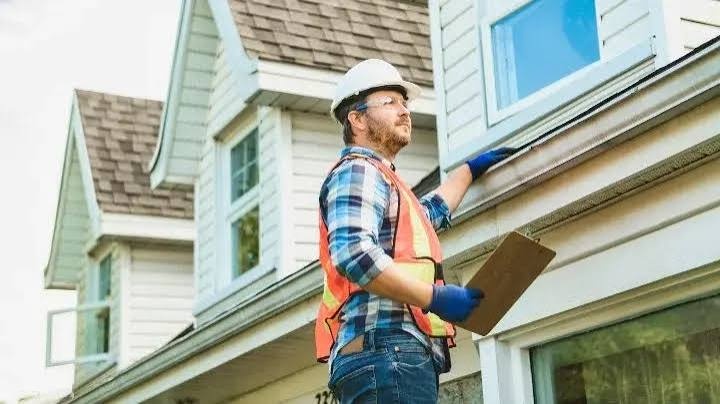
Selling a home is more than putting a “For Sale” sign in the yard. Today's buyers are increasingly informed, cautious, and willing to investigate a property before making an offer. Sellers who understand this shift can take proactive steps to make their property more attractive and reduce surprises during negotiations. One of the most practical strategies is arranging a pre-listing home inspection before the property officially enters the market.
A professional inspection can provide sellers with a clearer understanding of the home's current condition. Instead of waiting for a buyer's inspection to reveal potential concerns, homeowners can identify issues early and decide how they want to address them.
The real estate market continues to evolve, and transparency has become increasingly important. Buyers want confidence that the property they are considering has been properly maintained. At the same time, sellers want to avoid unexpected repair requests that could delay a transaction.
A seller-initiated inspection creates an opportunity to evaluate the property from a buyer's perspective. It can reveal visible concerns involving roofing, plumbing, electrical components, structural elements, drainage, ventilation, and other accessible areas.
This information gives homeowners time to make informed decisions rather than responding to problems under the pressure of an active transaction.
One of the biggest advantages of an inspection before listing is early awareness. Minor maintenance concerns can sometimes become negotiation points when discovered by a prospective buyer.
For example, a seller may not realize that a bathroom fixture is leaking, a handrail needs attention, or portions of the home show signs of moisture intrusion. These issues may appear insignificant to the homeowner but could influence a buyer's perception of the property.
Knowing about potential concerns allows sellers to determine which repairs are worthwhile. Some problems may be inexpensive to correct, while others may simply need to be disclosed and considered when establishing expectations for the sale.
Today's homebuyers often look beyond attractive photographs and freshly painted walls. They want evidence that the property has been cared for properly.
Having an inspection performed before marketing the home can demonstrate a proactive attitude. Sellers who understand the property's condition can communicate more confidently with their real estate professionals and potential buyers.
In some situations, documentation showing that a property has been professionally evaluated can also help create a smoother conversation about its condition. While an inspection does not guarantee that a transaction will proceed without issues, preparation can reduce uncertainty.
Not every defect discovered during an inspection needs to be repaired immediately. This is an important distinction for sellers.
A professional inspection report can help homeowners understand areas that may deserve attention. Sellers can then discuss priorities with their real estate agent and contractors where appropriate.
For instance, improving visible maintenance issues may make more sense than spending heavily on cosmetic upgrades that provide little return. Addressing safety concerns or obvious maintenance problems can also help prevent them from becoming larger issues later.
The goal is not necessarily to make the home perfect. Instead, the objective is to understand its condition and make strategic decisions before negotiations begin.
A buyer's inspection can introduce unexpected findings at a stage when emotions and deadlines are already high. When sellers have inspected their property beforehand, they have a better idea of what may appear in a buyer's report.
A pre-listing home inspection can therefore serve as a planning tool. Sellers may have additional time to obtain repair estimates, prioritize improvements, gather maintenance records, or adjust their marketing strategy.
This preparation can be especially valuable for older properties where several systems may have received different levels of maintenance over the years.
Real estate transactions involve many moving parts, including financing, appraisals, contracts, inspections, repairs, and closing requirements. Unexpected property concerns can add additional complications.
Preparing in advance may help sellers minimize avoidable delays. When known issues are addressed or properly understood before an offer is accepted, conversations between buyers, sellers, agents, and contractors can become more straightforward.
Of course, every property is different. An inspection cannot predict every issue that may arise during a transaction, but it can provide valuable information that supports better preparation.
Depending on the property and location, sellers may also benefit from additional evaluations. Homes in Florida, for example, may have considerations involving wind resistance, roofing, moisture, pools, wood-destroying organisms, or other property-specific features.
Specialized inspections or testing may be appropriate when certain conditions are present. Sellers should discuss their property's characteristics with qualified professionals to determine which services make sense.
These evaluations can complement a general inspection and give homeowners a more complete picture of the property.
Selling a home can be stressful, particularly when unexpected issues appear after an offer has been accepted. Taking a proactive approach gives homeowners greater control over the process.
A pre-listing home inspection does not guarantee a faster sale, a higher selling price, or a problem-free transaction. However, it can help sellers understand their property's condition, make informed maintenance decisions, and approach negotiations with greater confidence.
For homeowners preparing to sell in 2026, the smartest strategy is often preparation rather than guesswork. Understanding potential concerns before buyers arrive can make the selling journey more organized and transparent. With the right professional guidance, sellers can enter the market better prepared to answer questions, prioritize repairs, and present their property with confidence.

This post has been authored and published by one of our premium contributors, who are experts in their fields. They bring high-quality, well-researched content that adds significant value to our platform.











Learn SEO, social media, and digital marketing strategies to grow your online business smarter and faster.
