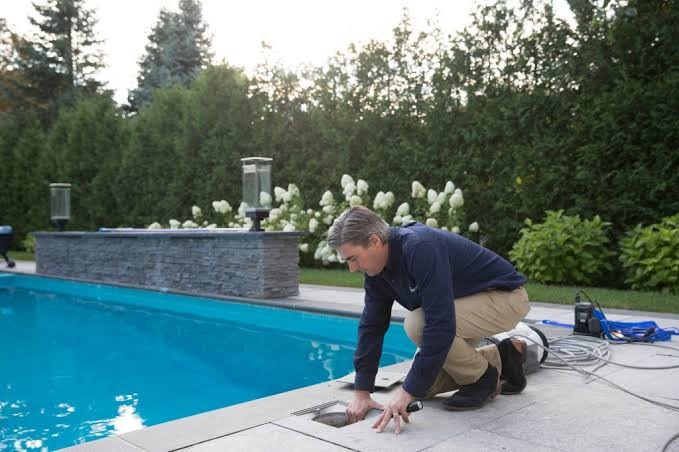
A swimming pool can be one of the most attractive features of a South Florida home. With warm weather throughout much of the year, pools are a popular place for homeowners, families, and guests to relax and enjoy time outdoors. However, a pool is more than a beautiful addition to a property. It is a complex system that requires regular maintenance, safety checks, and professional attention.
For homeowners and buyers, scheduling a pool inspection Fort Lauderdale Broward County can be an important step toward understanding the condition of a swimming pool and its related equipment. An inspection can uncover concerns that may not be obvious during a normal property visit and provide useful information before a small issue becomes a costly repair.
South Florida properties are exposed to heat, humidity, heavy rainfall, storms, and other environmental conditions that can affect exterior structures and equipment. Swimming pools are constantly exposed to these conditions.
Over time, pool surfaces, pumps, plumbing, electrical components, fences, gates, and filtration systems can experience wear and deterioration.
A professional pool inspection Fort Lauderdale Broward County can evaluate accessible components of the pool and help homeowners understand whether visible safety, structural, electrical, or operational concerns require attention.
For buyers, the inspection is especially valuable because a pool can represent a significant maintenance responsibility and replacement costs can be substantial.
The exact scope of an inspection can vary depending on the property and inspection service. However, a comprehensive evaluation can review several important areas.
The pool vessel, coping, deck, and surrounding areas should be examined for visible signs of damage or deterioration.
Cracks, damaged surfaces, loose coping, drainage concerns, or other visible deficiencies may require further evaluation. Not every crack or imperfection indicates a serious structural problem, but documenting concerns allows homeowners to determine whether additional professional assessment is necessary.
Pool safety starts with controlling access to the swimming area.
Fences, gates, barriers, and related safety features can be evaluated for visible deficiencies. Gates should function properly, and safety barriers should be maintained to reduce unauthorized access to the pool.
This part of an inspection is particularly important for households with children or frequent visitors.
Pool areas contain electrical equipment that requires careful attention.
Depending on the inspection scope, accessible electrical components may include pool lights, subpanels, junction boxes, GFCI protection, bonding, and related equipment.
Electrical deficiencies around swimming pools should never be ignored. When repairs are necessary, homeowners should use appropriately qualified professionals.
A pool's circulation system is responsible for moving water through filtration and treatment equipment. If the system is not operating properly, water quality and equipment performance can be affected.
A pool evaluation may include accessible pumps, filters, piping, skimmers, timers, and related components.
Inspectors may look for visible leaks, damaged equipment, unusual operation, or other conditions that could indicate a need for maintenance.
For homeowners considering a pool inspection Fort Lauderdale Broward County, reviewing the condition of these components can be especially helpful when purchasing an older property.
Many South Florida properties include heated pools or attached spas.
Where applicable and within the inspection scope, heating equipment and spa components can be evaluated for visible and operational concerns.
Homeowners should understand that pool equipment has a service life. An inspection can help identify aging or damaged components and provide useful information for future maintenance planning.
Some swimming pool problems are obvious, while others can remain unnoticed for months.
Homeowners should watch for:
A professional evaluation can help distinguish routine maintenance concerns from conditions that may deserve further investigation.
A homebuyer should understand the condition of every major system included with the property. A swimming pool is no exception.
A professional inspection can provide information about the pool's structure, safety features, equipment, and visible operating conditions before the purchase is finalized.
Sellers may also benefit from having their pool evaluated before listing the property.
Discovering problems early gives homeowners time to obtain repairs or professional advice before a buyer identifies the issue during negotiations.
Older pools and equipment may have experienced years of exposure to weather and regular use. A professional evaluation can help buyers understand potential maintenance needs.
If a pool has undergone significant repairs, renovations, or equipment replacements, homeowners may want to document the condition of the updated system and confirm that accessible components are operating appropriately.
An inspection should not be viewed only as a real estate requirement. It can also be part of a proactive maintenance strategy.
Regularly monitoring pool equipment and addressing visible problems early can help homeowners avoid unexpected breakdowns. Keeping records of equipment installation dates, repairs, service appointments, and replacements can also make future maintenance easier.
Homeowners should pay particular attention to equipment that shows signs of age, corrosion, leakage, or unusual operation.
Fort Lauderdale and surrounding Broward County communities have a unique combination of coastal exposure, intense sunlight, humidity, rainfall, and storm activity.
These conditions can place additional demands on outdoor property features, including swimming pools and their equipment.
Homeowners should therefore pay attention not only to the appearance of the pool but also to the condition of the systems that keep it safe and functional.
A local pool inspection Fort Lauderdale Broward County can provide homeowners with useful information about accessible pool components and help them determine which concerns may require additional evaluation.
A swimming pool can increase a property's enjoyment and appeal, but it also comes with ongoing responsibilities.
For buyers, understanding the condition of the pool can help prevent unexpected expenses after closing. For sellers, identifying concerns in advance can help create a smoother transaction. For current homeowners, periodic evaluation can support better maintenance decisions.
The purpose of a professional inspection is not simply to identify defects. It is to provide information that allows property owners to make informed decisions about repairs, maintenance, safety, and future costs.
A well-maintained swimming pool can provide years of enjoyment, but proper maintenance begins with understanding its condition.
Whether you are buying a home, selling a property, or maintaining an existing pool, a professional pool inspection Fort Lauderdale Broward County can be a valuable part of responsible property ownership.
In 2026, taking a proactive approach to pool safety and maintenance can help homeowners identify concerns earlier, plan repairs more effectively, and protect their investment. From the pool structure and surrounding deck to fences, electrical components, pumps, filters, plumbing, and other equipment, every accessible part deserves appropriate attention.
A professional pool inspection provides the information homeowners need to enjoy their swimming pool with greater confidence while planning responsibly for the years ahead.

This post has been authored and published by one of our premium contributors, who are experts in their fields. They bring high-quality, well-researched content that adds significant value to our platform.










Learn SEO, social media, and digital marketing strategies to grow your online business smarter and faster.
